Parenting can feel like a never-ending circus act, where juggling tantrums, homework, and the occasional flying toy becomes the norm. Every parent knows that while it’s rewarding, it can also be downright chaotic. Whether you’re navigating the toddler years or dealing with a moody teenager, finding the right advice can feel like searching for a needle in a haystack—blindfolded.
But fear not! This article is packed with practical tips and a sprinkle of humor to help parents tackle the wild ride of raising kids. From mastering the art of negotiation over broccoli to surviving sleep-deprived nights, it’s time to embrace the chaos with confidence. After all, every parent deserves a little guidance—and a good laugh—along the way.
Understanding Parenting Advice
Navigating parenting involves seeking sound advice and support tailored to individual challenges. Recognizing the importance of guidance enhances the parenting journey.
Importance of Parenting Support
Support plays a crucial role in effective parenting. It encourages personal growth, helping parents manage stress and improve decision-making. Emotional well-being flourishes in supportive environments, fostering confidence. Connecting with others creates a sense of community, enabling shared experiences. Seeking advice from professionals or experienced parents delivers insights for various situations. Active participation in support networks, like parenting classes or online forums, strengthens understanding. Reliable support systems not only reduce isolation, they also offer practical tips that enhance children’s development.
Common Sources of Parenting Advice
Numerous sources provide valuable parenting advice. Books authored by experts in child development offer research-backed strategies. Parenting websites and blogs feature personal experiences, practical tips, and expert opinions tailored to diverse needs. Social media platforms facilitate connections, enabling parents to share and learn from one another. Pediatricians often provide evidence-based counsel on health and behavioral matters. Local community resources, such as workshops, also present opportunities for learning. Whether through articles, videos, or interactive discussions, a wealth of advice exists to empower parents in their journey.
Effective Parenting Techniques
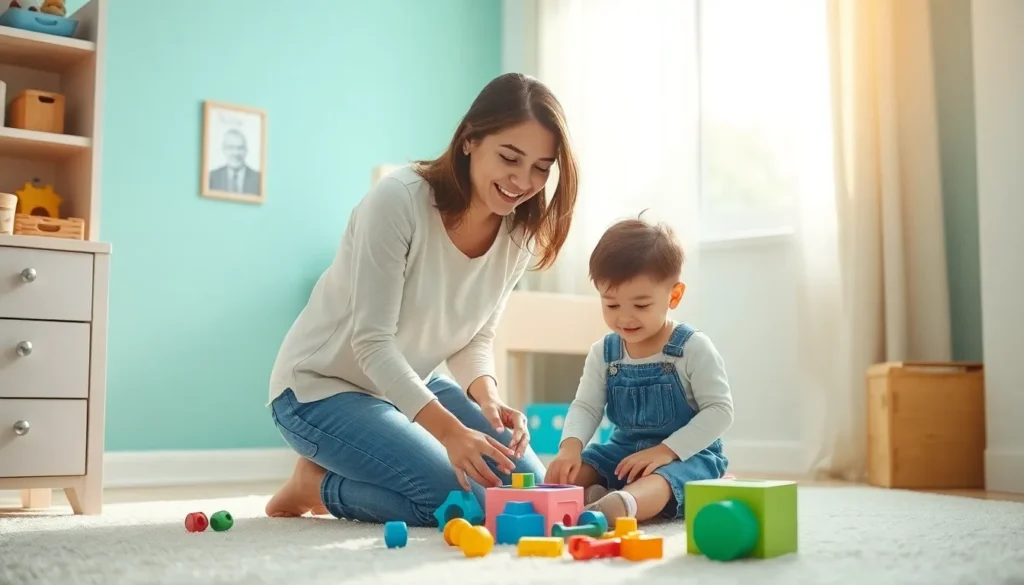
Effective parenting techniques can dramatically influence a child’s development and behavior. Using approaches grounded in proven strategies yields positive outcomes in various situations.
Positive Reinforcement Strategies
Positive reinforcement motivates children to repeat desirable behaviors. Praising achievements, whether big or small, fosters confidence and encourages effort. For instance, a simple “Great job cleaning your room!” can instill pride and further motivate the child. Providing rewards, such as stickers or extra playtime, strengthens this approach. Celebrating milestones establishes a positive atmosphere, which enhances the child’s willingness to engage in activities. Implementing these strategies consistently nurtures a supportive environment where children thrive and feel valued.
Setting Boundaries and Rules
Establishing clear boundaries and rules helps children understand expectations and consequences. Clear guidelines create a sense of security, enabling children to learn self-discipline. For example, setting a consistent bedtime encourages healthy sleeping patterns. Communicating rules firmly yet lovingly allows for better compliance. Involving children in discussions about limits can foster a sense of ownership and responsibility. Adjusting rules as children grow maintains relevance and supports developmental stages. Consistent enforcement of boundaries empowers children to make informed choices, leading to critical life skills.
Navigating Challenges in Parenting
Parenting comes with unique hurdles, but addressing them effectively leads to better family dynamics.
Dealing with Behavioral Issues
Behavioral issues often surface during different developmental stages. Tantrums can happen during toddler years, while defiance might appear in adolescence. Parents should focus on understanding the root causes of these behaviors instead of just reacting. Consistent communication plays a crucial role in this process. Encouraging open dialogue allows children to express their feelings. Using age-appropriate methods for discipline, like time-outs for younger children or discussions for older ones, promotes positive change. Seeking professional guidance can also provide tailored strategies to manage significant issues effectively.
Managing Parental Stress
Parental stress is common and affects many caregivers. Recognizing stress triggers is essential for tackling them head-on. Carving out personal time helps parents recharge. Simple strategies like short walks or meditation allow for mental clarity. Connecting with other parents through local groups or online communities can foster support. Sharing experiences leads to discovering solutions and reducing isolation. Prioritizing self-care ultimately empowers parents to face challenges with renewed energy and patience.
The Role of Communication in Parenting
Communication plays a vital role in effective parenting. Engaging in open dialogue strengthens bonds and fosters understanding between parents and children.
Encouraging Open Dialogue
Open dialogue fosters trust and encourages children to express thoughts and feelings. Parents can create a safe environment by listening without judgment. Sharing experiences can also bridge generational gaps. Asking open-ended questions helps children articulate their feelings and opinions. Discussing daily events encourages children to share their experiences. By modeling vulnerability, parents show that it’s okay to communicate openly and honestly.
Active Listening Techniques
Active listening enhances communication between parents and children. Nodding and making eye contact demonstrate engagement during conversations. Restating what the child says shows understanding and validates their emotions. Avoiding interruptions keeps the focus on the child’s message. Summarizing key points at the end reinforces important aspects of the discussion. Practicing these techniques cultivates an atmosphere of respect, making children feel valued and heard.
Parenting is a unique journey filled with both challenges and joys. Embracing the chaos while seeking support and guidance can make all the difference. By fostering open communication and practicing positive reinforcement, parents can create a nurturing environment for their children.
It’s essential to prioritize self-care and connect with other parents for shared experiences and advice. Understanding developmental stages and addressing behavioral issues with patience strengthens family dynamics. Ultimately, each parenting experience is distinct, but with the right tools and mindset, it can be a rewarding adventure that shapes both parent and child.