Fostering and adoption aren’t just about giving kids a place to stay; they’re about creating families that make life a little more colorful. Imagine transforming your home into a hub of laughter, chaos, and the occasional sock puppet show. It’s a wild ride, but the rewards are immeasurable.
Every child deserves a loving environment, and fostering or adopting can be the key to unlocking their potential. So why not take the plunge? You could be the superhero in a child’s life, complete with a cape made of mismatched laundry. Plus, who wouldn’t want to add some extra joy (and maybe a few more art supplies) to their daily routine? Embracing fostering and adoption means opening your heart and home to new adventures that can change lives forever.
Understanding Fostering And Adoption
Fostering and adoption represent significant pathways for creating stable homes for children. These processes offer unique opportunities to fulfill children’s emotional and physical needs. Fostering involves temporarily caring for children whose families face challenges, providing them safety and nurturing until they can return home or transition to permanent placements.
Adoption, on the other hand, involves legally formalizing a parent-child relationship where the adoptive parents become the child’s permanent guardians. Studies show that both fostering and adoption contribute positively to children’s developmental outcomes, as children experience stability and consistent care.
Benefits include access to education, emotional support, and healthier family interactions. Children in foster care often struggle with attachment, and positive caregiver relationships can enhance their social skills and resilience. Each child’s experience varies, emphasizing the need for dedicated and understanding caregivers who can adapt to individual circumstances.
The journey to become a foster or adoptive parent is thorough and rewarding. Prospective parents undergo training that covers the emotional needs of children and effective parenting strategies. This preparation equips caregivers with tools to support children through trauma and help them thrive.
Statistics illustrate the growing need for foster and adoptive families. Approximately 400,000 children are in foster care in the U.S., with many waiting for adoptive homes. Understanding complex dynamics surrounding fostering and adoption facilitates informed decisions among potential caregivers and advocates.
Thus, creating loving, stable homes for children through fostering and adoption holds the power to transform lives significantly.
The Foster Care System
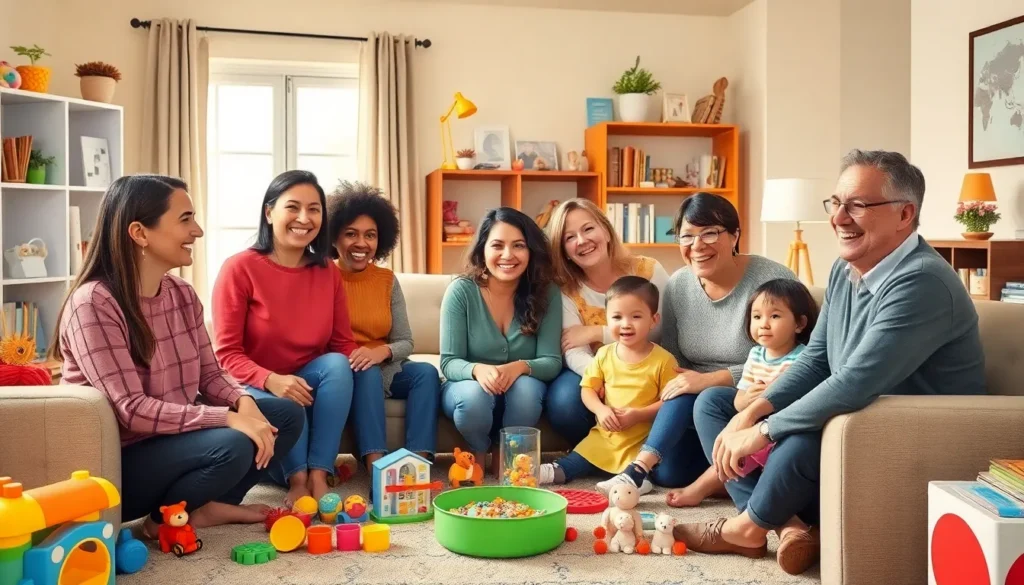
The foster care system plays a vital role in providing temporary homes for children in need. This system offers support and stability to those who may face challenging circumstances.
Eligibility Criteria
Prospective foster parents must meet specific criteria to ensure children receive proper care. Age requirements typically include being at least 21 years old. Health status is evaluated through medical exams to confirm fitness for caregiving. Background checks determine suitability by screening for criminal records. Additionally, applicants must demonstrate financial stability, which ensures they can provide for a child’s basic needs. Training programs prepare individuals for the emotional complexities of fostering.
Types Of Foster Care
Multiple types of foster care exist to accommodate various situations. Emergency foster care provides immediate placement for children in crisis. Short-term foster care offers a temporary solution while a child’s family situation stabilizes. Long-term foster care serves children who require a safe environment for an extended period, frequently until adoption occurs or family reunification is achievable. Specialized foster care involves caregivers trained to support children with specific needs, such as behavioral challenges or medical conditions. All types aim to create a nurturing space where children can thrive.
The Adoption Process
The adoption process involves several key steps to ensure a smooth transition for both the child and the adoptive family. Understanding these steps can clarify expectations.
Steps To Adopt
Begin by researching local adoption agencies and attending informational sessions. Next, submit an application to an adoption agency that matches individual needs. Completing a home study follows, which assesses the family’s readiness and living situation. Then, prospective parents participate in training sessions that cover parenting techniques specific to adopted children. After that, matching occurs where families are introduced to children awaiting adoption. Finally, attend finalization hearings, where legal adoption is confirmed, solidifying the family bond.
Different Types Of Adoption
Many options exist for adoption. Domestic adoption involves adopting a child from within the U.S., often involving a private agency or foster care system. International adoption allows families to welcome children from other countries, adhering to various regulations. Foster care adoption occurs when adopting a child who is currently in the foster system, usually after parental rights have been terminated. Lastly, relative adoption refers to adopting a relative’s child, ensuring familial continuity and support. Each type presents unique processes and considerations, catering to diverse family situations.
Benefits Of Fostering And Adoption
Fostering and adoption significantly benefit children’s lives, offering them stability and unconditional love. Emotional support nurtures children’s development, helping them build resilience and social skills. Families experience joy, fulfillment, and deep connections that come from creating a safe space for children. Engaging in these processes leads to enriching lives for both the child and the caregiver.
Access to education and resources dramatically enhances a child’s future prospects. Brightened outcomes often stem from the stability provided in nurturing environments. Rewarding experiences arise through teamwork, where foster and adoptive families collaborate with social workers and educators to support children. Understanding trauma becomes essential in guiding children toward healing and growth.
Additionally, fostering offers immediate support in crisis situations, allowing children to transition into safer environments. Adoption formalizes these relationships, ensuring lifelong connections. The legal permanence fosters a sense of belonging that aids emotional healing. Many adoptive families thrive through shared experiences, creating strong family bonds.
In the U.S., approximately 400,000 children rely on foster care, highlighting an urgent need for dedicated families. Contributing to this cause means becoming part of a broader community focused on ensuring every child feels cherished. Knowledgeable caregivers equip themselves through training to address children’s specific needs, enhancing the overall foster and adoption experience.
Ultimately, engaging in fostering and adoption creates lasting change, transforming not just individual lives but entire communities. The shared journey enriches both caregivers and children, aiming for brighter futures together.
Challenges In Fostering And Adoption
Individuals pursuing fostering or adoption face various challenges. Emotional readiness plays a significant role in this journey. Many caregivers experience feelings of doubt and uncertainty, especially when considering the emotional needs of children who have faced trauma. Understanding these emotional complexities becomes essential for effective care.
Time constraints can also emerge as a challenge. Balancing work, family life, and the demands of caring for a child requires careful planning and organization. Each child’s unique needs may add varying levels of additional time commitment.
Financial considerations represent another potential hurdle. While some support exists, many foster and adoptive parents incur costs that can present difficulties. Potential caregivers should be aware of expenses related to training, home studies, and additional childcare needs.
Furthermore, navigating the bureaucratic aspects of the foster care and adoption systems often proves overwhelming. Each step, from applications to matching processes, may involve extensive paperwork and waiting periods. Understanding the necessary documentation and requirements ensures smoother transitions for both caregivers and children.
Behavioral challenges can arise when children have difficulty trusting caregivers. Instilling a sense of security and stability may take time, patience, and tailored approaches. Caregivers often need resources and support systems to handle potential behavioral issues.
Community support plays a critical role in overcoming these challenges. Engaging with other foster and adoptive families can provide vital insights, shared experiences, and encouragement throughout the process. By fostering connections within the community, caregivers develop networks that offer practical support and emotional reassurance.
Fostering and adoption offer profound opportunities to impact children’s lives positively. By creating nurturing environments, caregivers can help unlock a child’s potential and foster resilience. The journey may come with challenges but the rewards far outweigh them.
Every child deserves a safe and loving home. Whether through fostering or adoption, individuals can make a lasting difference in their communities. Engaging in this journey not only enriches the lives of children but also transforms the lives of caregivers, creating bonds that last a lifetime. The call to action is clear: consider becoming a part of this essential mission and help shape brighter futures for children in need.