Foster child placement is a vital process that transforms lives, but it often feels like navigating a maze without a map. Imagine being a child who’s just been uprooted from everything familiar, only to find yourself in a new home where cereal for dinner is a gourmet treat. It’s a wild ride, and understanding the ins and outs of this system can make all the difference.
In a world where kids need stability and love, foster care steps up as a beacon of hope. It’s not just about providing a roof over their heads; it’s about creating a nurturing environment where they can thrive. By diving into the world of foster child placement, readers will discover how they can play a role in this rewarding journey—because every child deserves a chance to feel at home, even if it involves a few too many board games and late-night snacks.
Understanding Foster Child Placement
Foster child placement involves placing children unable to live with their biological families into temporary homes. This process ensures that children receive the care and support they need during difficult times.
Definition of Foster Child Placement
Foster child placement refers to the legal process where a child is removed from their home due to safety concerns, abuse, or neglect. Caregivers, often referred to as foster parents, provide a home for these children. Each placement is meant to offer a safe environment until the child can either return to their biological family or find a permanent adoptive home. Agencies oversee the placements, ensuring that they align with the child’s best interests and needs.
Importance of Foster Child Placement
Foster child placement plays a crucial role in child welfare. It provides stability during challenging times, allowing children to experience safety and care. Each placement can help children develop crucial life skills while addressing emotional and developmental needs. The environment fosters a sense of belonging, enabling children to emotionally heal from past trauma. Partnerships with supportive foster families reinforce the essence of community in caring for vulnerable youth. The long-term success of these placements often leads to better outcomes in education and mental health for children.
Types of Foster Care
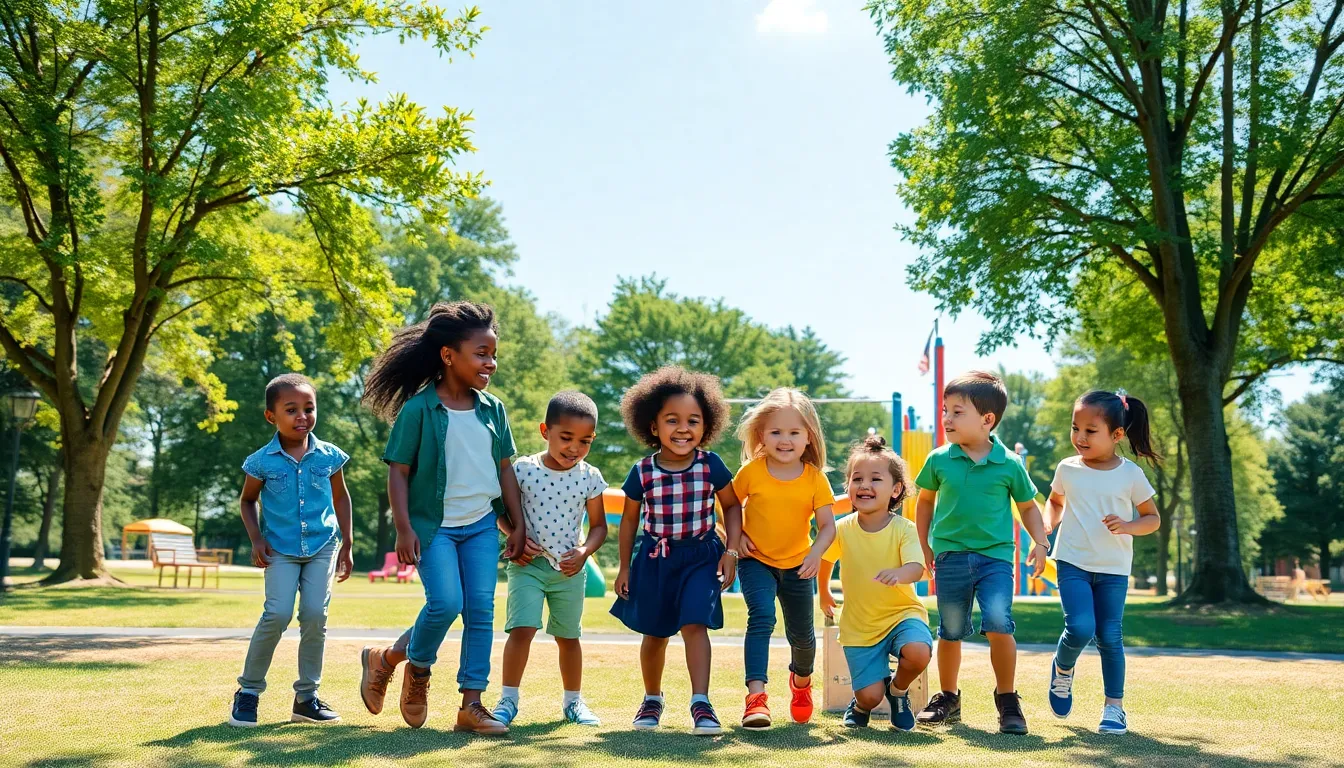
Foster care encompasses various placements designed to meet children’s unique needs. Understanding these types helps determine the most suitable environment for each child.
Traditional Foster Care
Traditional foster care serves as the most common type of placement. In this setting, children reside with licensed foster parents who provide care and supervision. Foster parents receive training and support from agencies, ensuring they meet children’s emotional and physical needs. Some families foster multiple children at once, creating a dynamic household. Regular monitoring by social workers occurs to ensure the child’s welfare remains a priority.
Specialized Foster Care
Specialized foster care caters to children with specific challenges, including behavioral issues or medical conditions. Caregivers in this category typically undergo additional training to handle unique circumstances. It’s crucial those foster parents feel equipped to provide appropriate support and interventions. Some programs, like therapeutic foster care, offer therapy alongside daily care. This type of placement often leads to improved emotional, behavioral, and academic outcomes for children.
Relative Foster Care
Relative foster care involves placing children with family members or close friends. This arrangement fosters stability and connection during a disruptive time. When a child cannot remain with their biological parents, guardianship often goes to a relative willing to provide care. Relatives often maintain cultural ties and relationships that benefit the child’s emotional well-being. Keeping children within their family networks helps ease transitions and maintain familiar support systems.
Factors Influencing Successful Placement
Successful foster child placement hinges on various factors that enhance the well-being of children in care. Understanding these elements ensures a more supportive environment for each child.
Selecting the Right Foster Family
Choosing an appropriate foster family significantly impacts a child’s adjustment. Families with experience in childcare often provide better emotional and psychological support. Skills such as patience, empathy, and effective communication are essential traits for foster parents. Training programs equip them to handle the unique needs of foster children, fostering a nurturing environment. Additionally, having a flexible family structure can help accommodate different children’s emotional and behavioral requirements.
Matching Children with Foster Homes
Matching children with suitable foster homes enhances the chances of successful placements. Factors such as age, interests, and cultural background play a critical role in this process. Specialized agencies assess a child’s needs alongside the family’s capabilities. The best matches occur when caregivers understand trauma-informed care practices, ensuring children feel safe and supported. Families familiar with behavioral issues may aid in addressing specific challenges. This careful consideration promotes emotional healing and stability for the child during their time in foster care.
Challenges in Foster Child Placement
Foster child placement presents various challenges that can impact both children and caregivers. Understanding these challenges is essential for improving the foster care system and ensuring better outcomes for children.
Emotional and Psychological Impact
Foster care placements can trigger deep emotional and psychological effects in children. Separation from biological families often leads to feelings of abandonment and grief. Trauma from past experiences complicates the ability to trust caregivers. Many children face anxiety and attachment issues, making it difficult to form stable relationships. Emotional distress can manifest as behavioral problems, requiring specialized support. Supportive environments with trauma-informed care significantly benefit children as they navigate these challenges.
Systemic Challenges in Placement
Systemic issues pose barriers to successful foster child placement. Limited resources frequently strain the foster care system, leading to inadequate support for families. High turnover rates among caseworkers result in inconsistent care for children. Regulatory hurdles can delay placements, prolonging instability for children in need. Training for foster parents often lacks comprehensiveness, hindering effective caregiving. Efforts to streamline processes and improve funding focus on enhancing the overall experience for children and their foster families.
Best Practices for Foster Child Placement
Effective foster child placement hinges on strategic practices that enhance the experience for both children and caregivers. Addressing training and support creates a stronger foundation for success.
Training for Foster Parents
Training programs significantly equip foster parents to meet the diverse needs of children. Emphasizing trauma-informed care fosters understanding of the emotional challenges faced by children in placement. Experienced trainers offer insight into building empathy and communication skills. Topics include behavioral management techniques and legal responsibilities, ensuring caregivers understand their roles. Regular workshops provide continuous learning opportunities, enhancing parents’ confidence and ability to handle various situations. Ultimately, training prepares foster parents to create a nurturing and responsive environment for every child.
Support Systems for Foster Children
Support systems play a vital role in the well-being of foster children. Access to mental health services offers essential emotional support to those navigating feelings of loss and anxiety. School-based programs facilitate academic success through tutors and mentors, addressing the educational gaps often seen in foster care. Community organizations frequently provide recreational activities, helping children form relationships and develop social skills. Additionally, peer support groups create avenues for sharing experiences, allowing children to voice their feelings and build connections. Overall, comprehensive support systems foster stability and resilience, essential for successful placements.
Foster child placement is a vital process that shapes the lives of vulnerable children. By providing safe and nurturing environments, foster parents play an essential role in promoting emotional healing and stability. The complexities involved in matching children with suitable families highlight the importance of training and support for caregivers.
Addressing the challenges within the foster care system is crucial for enhancing the experiences of both children and foster families. With continued efforts to improve resources and support networks, there’s potential for meaningful change. Every child deserves a loving home where they can thrive and build a brighter future.