When it comes to providing a loving home for children in need, fostering and adoption often steal the spotlight. But what’s the real difference? Picture this: fostering is like being a superhero on a temporary mission, swooping in to save the day, while adoption is more like settling in for a long-term gig with a lifetime supply of hugs. Both paths offer unique rewards and challenges, but which one fits best for those looking to make a difference?
As families weigh their options, it’s crucial to understand the ins and outs of fostering versus adoption. With a sprinkle of humor and a dash of heart, this guide will help navigate the often confusing world of child welfare. Whether you’re ready to embrace the adventure of fostering or commit to the forever family of adoption, there’s a place for everyone in this journey.
Understanding Fostering
Fostering provides temporary care for children who cannot live with their biological families. This process aims to create a safe, nurturing environment while working towards reunification with their families or transitioning to adoption.
What Is Fostering?
Fostering involves providing a stable home for children in need, typically through a licensed agency. Families can take in children of various ages, sometimes for short or extended periods. Social services oversee placements, ensuring each child receives necessary support. Both parties benefit; the child gains a supportive environment, while foster parents play a vital role in that experience.
Benefits of Fostering
Fostering offers numerous benefits for children and families. First, it provides a safe space during a turbulent time. Second, children gain access to resources like therapy and educational support. Third, foster parents experience emotional fulfillment from positively impacting a child’s life. Fourth, it allows families to determine if they’re suitable for long-term commitment without the responsibilities that come with adoption. Lastly, fostering creates a sense of community, connecting families with other foster parents and resources.
Understanding Adoption

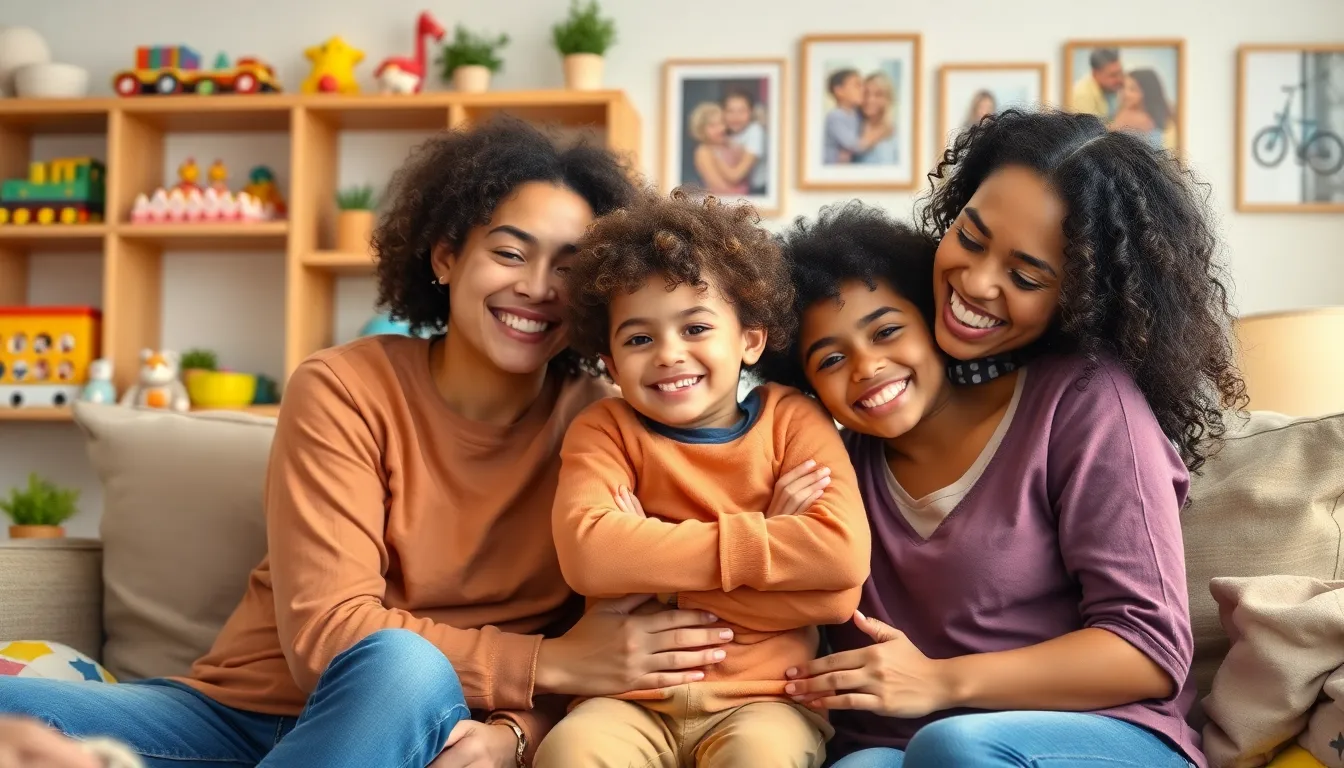
Adoption involves a permanent legal commitment to raise a child not biologically related. Through this process, individuals or families become the child’s legal parents, providing stability and ongoing support.
What Is Adoption?
Adoption is a legal process creating a parent-child relationship between individuals and a child. The process ensures that the child receives parental care, love, and guidance in a stable environment. Numerous types of adoption exist, including domestic, international, and step-parent adoption, each with specific requirements. Agencies and social services oversee these placements, ensuring the child’s needs are met. This lifelong arrangement creates a sense of belonging and family connection.
Benefits of Adoption
Adoption offers numerous benefits to both children and families. Families gain the opportunity to expand their household through an enduring bond that fosters love and support. Children experience a sense of belonging and stability, essential for their emotional development. Access to resources, such as healthcare and education, frequently improves for adopted children. Positive outcomes, including lower rates of behavioral issues, often occur in adopted children compared to those in temporary care. Adoption contributes to creating a supportive family unit, encouraging lifelong connections and growth for everyone involved.
Key Differences Between Fostering and Adoption
Understanding the differences between fostering and adoption is essential for those considering either path. Each option comes with unique aspects that families must navigate.
Legal Implications
Fostering does not establish a permanent legal bond between the child and foster family. Legal custody typically remains with the biological parents or the state. In contrast, adoption creates a permanent legal relationship that transfers parental rights from biological parents to adoptive ones. This transition ensures that the child becomes a full member of the adoptive family. Adoption can involve various legal processes, depending on the type, such as domestic or international adoption. Both pathways involve rigorous background checks and home studies, designed to protect the welfare of the child.
Emotional Considerations
Fostering often brings a range of emotional complexities. Foster parents may experience attachment to children who might return to their biological families. This uncertainty can lead to joy mixed with the heartache of separation. Adoption, on the other hand, typically fosters a sense of permanence and security. Adoptive families build lifelong bonds, creating a foundation of stability for the child. Children in adoptive homes may find a supportive environment that enhances their emotional well-being. Both experiences require emotional resilience and commitment, but the stakes differ significantly in each scenario.
Choosing the Right Path for Your Family
Choosing between fostering and adoption involves careful consideration of personal circumstances and family dynamics. Each path offers unique rewards and challenges.
Assessing Your Circumstances
Evaluating family readiness includes considering emotional, financial, and physical stability. Individual motivations for fostering or adopting play a crucial role in this decision-making process. Insights into how children may fit into family structures can reveal underlying needs. Understanding the time commitment each option requires helps families prepare adequately. Communities benefit from an honest assessment of one’s ability to support a child temporarily or permanently. Prioritizing personal well-being and family cohesion is essential in determining the right path.
Seeking Support and Resources
Accessing resources ensures families feel confident in their choice. Local agencies provide essential guidance for both fostering and adoption. Support groups and online forums connect families with similar experiences, offering valuable insights. Training programs for foster and adoptive parents equip individuals with necessary skills. Legal consultations clarify the intricacies of the adoption process and help navigate paperwork. Utilizing these resources supports a smoother transition into either journey, creating a foundation for lasting relationships.