Sliders are the ultimate crowd-pleaser, perfect for game days, parties, or just a cozy night in. But when it comes to cooking them in the oven, timing is everything. Under-cooked sliders can leave you feeling uneasy, while overcooked ones might resemble hockey pucks. Nobody wants that!
Understanding Sliders
Sliders, small sandwiches featuring various fillings, offer versatility for any gathering. Ingredients typically include meats, cheese, and vegetables, all contained within a small bun. Popular choices for slider fillings comprise beef, chicken, pork, and even vegetarian options, creating appeal for diverse tastes.
Buns play a crucial role in slider construction. Whole wheat, brioche, or sesame seed varieties provide flavor that complements fillings. The bun’s size and texture contribute to the overall experience, allowing for easy handling and consumption.
Cooking sliders presents an opportunity to experiment with flavors. Cheeses such as cheddar, mozzarella, and pepper jack enhance taste and melting characteristics. Toppings like pickles, onions, and sauces elevate the flavor profile, offering customization for individual preferences.
Timing when cooking sliders is vital for achieving the desired outcome. Ensuring even cooking requires proper oven settings and awareness of ingredient cooking times. Adjustments may result in perfectly cooked sliders, avoiding issues like dryness or sogginess.
Serving sliders can elevate social dining experiences. Arranging sliders on platters encourages guests to sample various flavors. With proper presentation and thoughtful choices, sliders become a centerpiece at events, enhancing enjoyment and conversation.
Preparing Sliders for Baking
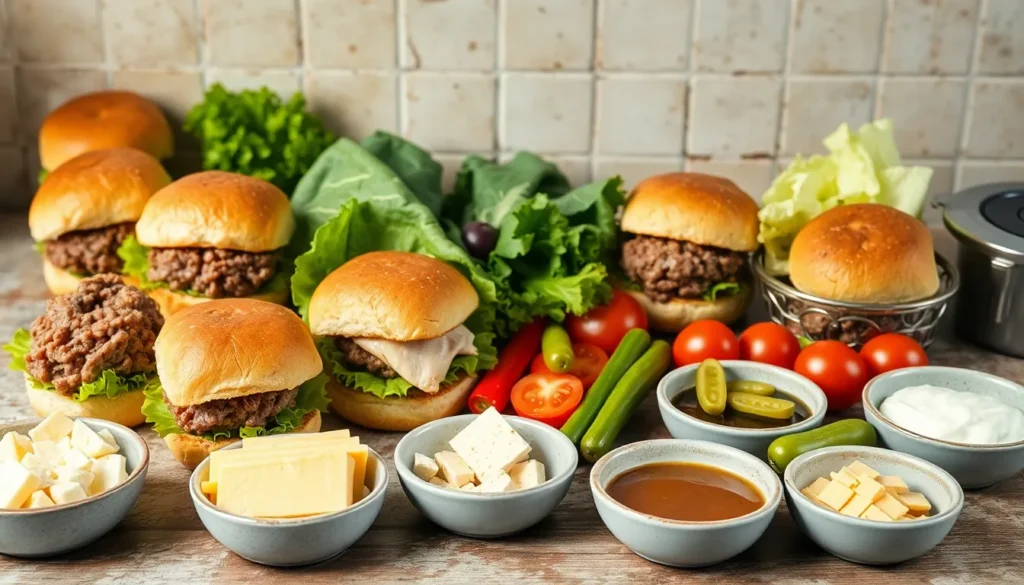
Preparing sliders for baking involves selecting the right ingredients and assembling them properly to achieve optimal flavor and texture.
Choosing the Right Ingredients
Selecting high-quality ingredients is essential for delicious sliders. Ground beef with 80-20 fat content offers juiciness while chicken provides a lighter option. Utilizing fresh vegetables like lettuce, tomatoes, and pickles adds crunch and freshness. Whole wheat or brioche buns enhance flavor and texture. For a richer taste, incorporate cheeses such as cheddar or Swiss. Experimenting with sauces like BBQ or aioli can elevate overall flavor. Keeping these choices versatile accommodates various dietary preferences, ensuring every guest finds a favorite combination.
Assembling Your Sliders
Assembling sliders requires attention to detail for the best balance of flavors. Start by shapes patties to uniform thickness for even cooking. Layer cheese on the patties during the last few minutes of baking for melty goodness. Place fresh vegetables on the bottom bun to create a moisture barrier, preventing sogginess. Drizzling sauces directly onto the meat or buns enhances taste without overpowering other ingredients. Protect each slider by securely covering with the top bun, maintaining structural integrity during baking. This method ensures each bite delivers satisfying flavor combinations.
Cooking Time Guidelines
Cooking sliders in the oven requires attention to time and temperature. Proper timing ensures the sliders are cooked thoroughly without sacrificing texture.
General Cooking Time for Sliders
Typically, sliders take 15 to 20 minutes to bake at 350°F (175°C). A meat thermometer can verify doneness; ground beef should reach an internal temperature of 160°F (71°C). For sliders featuring chicken or pork, the safe minimum internal temperature is 165°F (74°C). Adjust cooking time based on the thickness of the patties, as thicker patties may require additional minutes. Checking often can prevent overcooking, maintaining that juicy texture everyone enjoys.
Factors Affecting Cooking Time
Several factors can influence the cooking time of sliders. Patty thickness plays a significant role; thicker patties often need more time to cook through. The oven’s accuracy also matters; an oven thermometer ensures optimal temperature settings. Additionally, the types of ingredients used can impact cooking duration. For example, vegetarian sliders may cook more quickly compared to those with meat. Ingredient freshness, oven variations, and even pan material can also affect heat distribution and cooking results.
Tips for Perfectly Baked Sliders
Baking sliders requires attention to detail to achieve optimal results. Following specific temperature and doneness guidelines enhances flavor and texture.
Temperature Recommendations
When baking sliders, a temperature of 350°F (175°C) works best. Each meat type has an ideal internal temperature. For example, ground beef should reach 160°F (71°C), while chicken sliders require 165°F (74°C). Pork sliders target an internal temperature of 145°F (63°C). Adjusting the oven temperature based on slider thickness contributes to even cooking. Using an oven thermometer ensures accurate readings, preventing undercooked or overcooked sliders.
Checking Doneness
Visual cues indicate when sliders are ready. Juices should run clear, which reflects proper cooking. Using a meat thermometer provides the most precise assessment, ensuring safe consumption. Inserting the thermometer into the center of the patty confirms the internal temperature. Tentative decisions may lead to unsatisfactory textures. Letting sliders rest for a few minutes after baking helps juices redistribute, enhancing flavor and moisture in every bite.
Cooking sliders in the oven can transform any gathering into a memorable occasion. By paying attention to cooking times and temperatures, it’s possible to achieve perfectly cooked sliders that are juicy and flavorful. The right ingredients and careful preparation play a crucial role in enhancing the overall taste and texture.
Experimenting with different fillings and toppings allows for endless customization, catering to various preferences. With the right techniques, sliders can become a highlight of any meal, encouraging conversation and enjoyment among guests. Following these guidelines ensures a delightful slider experience every time.