Navigating the world of child care can feel like trying to solve a Rubik’s cube blindfolded. With terms like fostering and adoption thrown around, it’s easy to get tangled in the jargon. While both paths aim to provide loving homes for children in need, they’re not quite the same.
Understanding Fostering
Fostering provides temporary care for children in need of a safe environment. This system allows caregivers to nurture children while their biological families address challenges.
Definition of Fostering
Fostering involves placing children in homes due to a variety of circumstances, including abuse or neglect. Caregivers, known as foster parents, support children until they can safely return to their families or a permanent solution arises. The process emphasizes the child’s well-being, with caseworkers overseeing placements to ensure appropriate matches between children and families.
Purpose of Fostering
Fostering aims to create stability for children during difficult times. Stability leads to emotional support, helping children cope with their situations. Through fostering, children can experience a nurturing environment, promoting their emotional, physical, and educational development. Ultimately, the purpose lies in preparing children for reunification with their families or transitioning to a permanent home, acting as a bridge in their journey.
Understanding Adoption

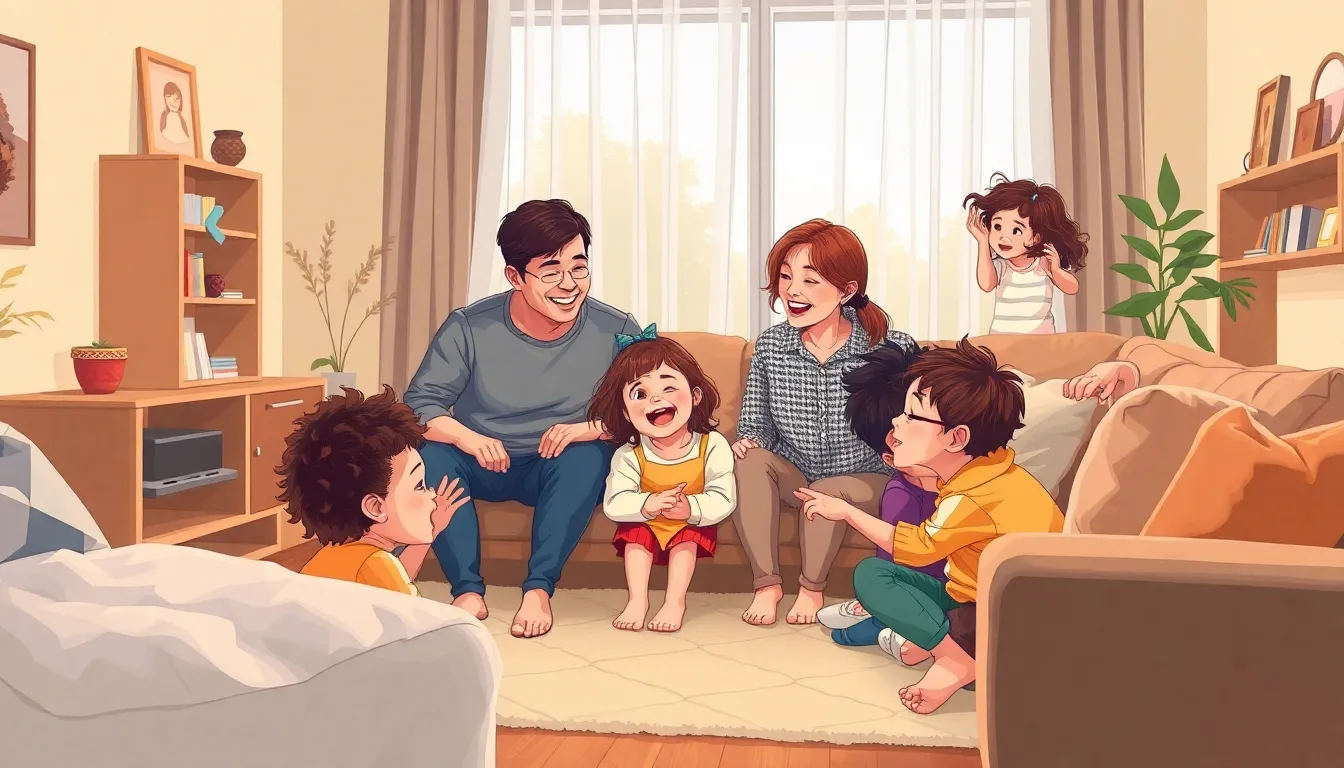
Adoption provides a permanent, loving home for children whose biological families are unable to care for them. It entails a legal process that establishes a new parent-child relationship, severing the legal ties to their biological parents.
Definition of Adoption
Adoption refers to the formal, legal act of becoming a child’s permanent parent. This process involves transferring all parental rights and responsibilities to the adoptive parents. After adoption, the child receives a new birth certificate reflecting the adoptive parents’ names. Many types of adoption exist, including domestic, international, and step-parent adoption. Each type accommodates unique circumstances and addresses specific needs of children and families.
Purpose of Adoption
Adoption serves multiple purposes, primarily ensuring a stable, nurturing environment for children. It aims to provide a permanent family connection for those without suitable placements. Secure placements allow children to grow and thrive in loving homes. Adoption also offers opportunities for emotional bonding and stability, which are vital for a child’s development. Furthermore, it fills the emotional and physical gaps in children’s lives by creating lasting family relationships and offering individuals a dedicated support system.
Key Differences Between Fostering and Adoption
Fostering and adoption serve different purposes within child care. Understanding these key differences clarifies their unique roles in providing for children.
Legal Aspects
Fostering does not sever legal ties between a child and their biological parents. Legal guardianship remains with the biological family, allowing for the possibility of reunification. In contrast, adoption involves a legal process that permanently establishes a new parent-child relationship. Adoptive parents gain full parental rights, transferring all responsibilities from biological parents to them. This difference in legal framework shapes the nature of the care provided.
Duration of Care
Foster care is temporary, designed to provide stability during challenging times. Children might stay with foster families from a few days to several months, depending on their situations. Adoption leads to a permanent solution. Once the adoption process finalizes, children become part of their adoptive families indefinitely. This distinction influences the emotional and developmental support children receive during their upbringing.
Parental Rights
Foster parents support children but do not acquire full parental rights. They maintain a supportive role while biological families work towards resolution. In adoption, parental rights transfer entirely to the adoptive parents. This act grants them complete authority and responsibility for the child’s upbringing. Understanding these rights aids in grasping the commitment required in each path.
Emotional Impact on Children
Fostering and adoption each present distinct emotional impacts on children. Understanding these differences offers insight into their unique experiences.
Attachment and Stability
Attachment plays a crucial role in a child’s emotional development. Foster care often leads to short-term placements, which can result in difficulties forming secure attachments. Children may experience instability, given the potential for multiple foster homes. In contrast, adoption provides a permanent home, fostering emotional security. Adoptive families create a nurturing environment where children can build strong, lasting connections. Stability in an adopted child’s life promotes trust and emotional resilience. Emotional bonds may deepen with continued support from adoptive parents, eventually allowing for healthy relationships later in life.
Long-term Outcomes
Long-term outcomes differ significantly between foster care and adoption. Foster children may face challenges as they transition between homes, impacting their emotional well-being. Frequent changes can lead to difficulties with trust and self-esteem. Alternately, children adopted into stable families often experience improved mental health over time. Research shows that these children are more likely to succeed academically and socially. Supportive adoptive environments frequently lead to enhanced resilience in facing life’s challenges. Overall, the emotional foundations laid through adoption tend to produce more positive long-term results for children’s well-being and future success.
Understanding the differences between fostering and adoption is essential for anyone considering these paths to support children in need. While fostering provides temporary care aimed at reunification with biological families adoption offers a permanent solution that creates lasting bonds. Each option plays a vital role in child welfare with unique responsibilities and emotional impacts.
Choosing between fostering and adoption requires careful consideration of one’s capacity to provide stability and love. Ultimately both paths contribute to a child’s well-being and future success. Whether through temporary support or permanent commitment both foster and adoptive parents can profoundly influence a child’s life.